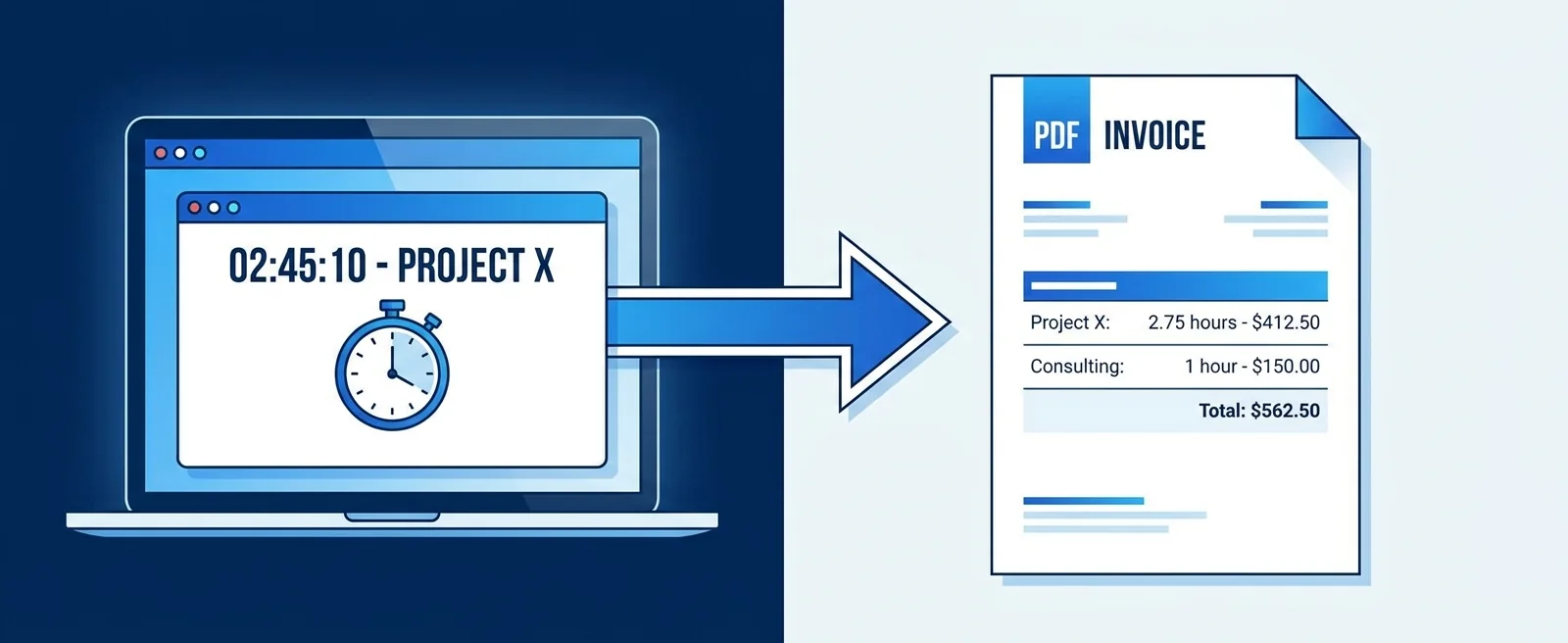
Every Project Takes Twice as Long as You Quoted. Here's Why — And How to Stop It
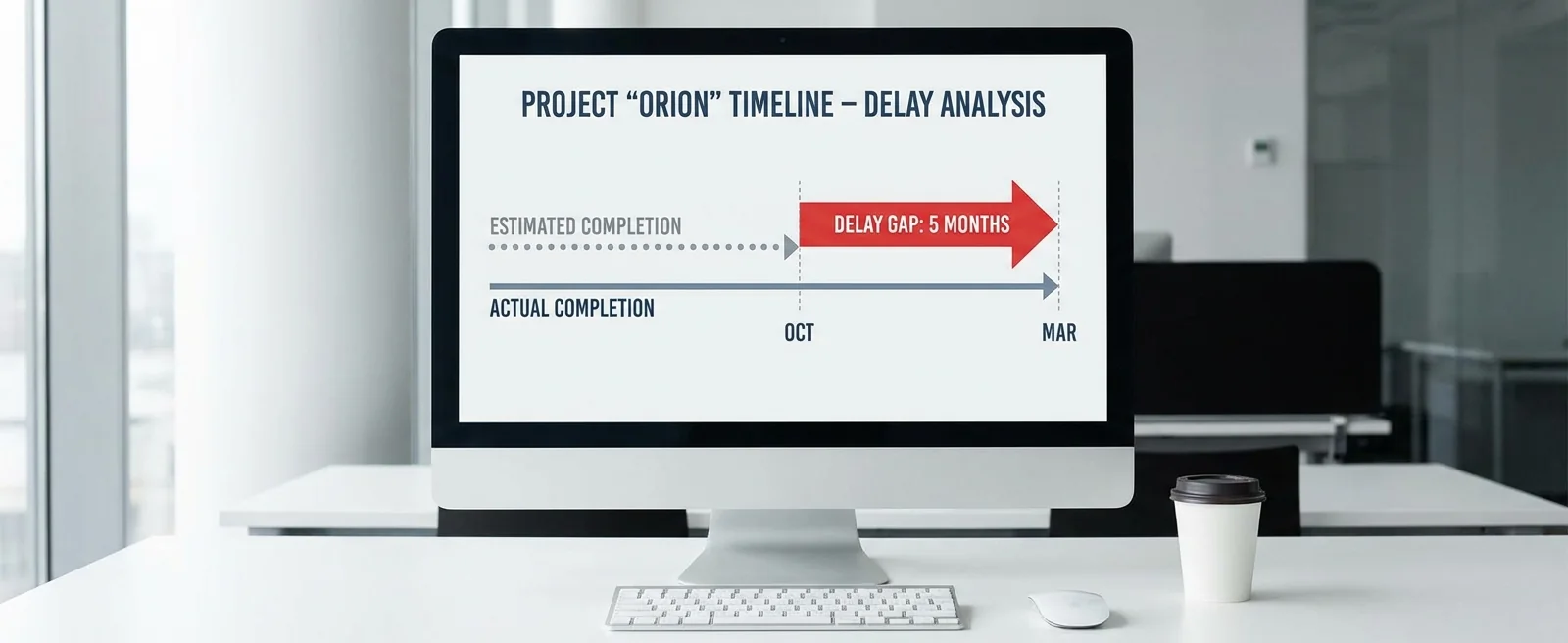
Project overruns aren't random. They follow a pattern. And once you can see that pattern in your actual data, the next quote becomes meaningfully more accurate.
Contents
One flat fee for the whole team
Tasks, timers, CRM and invoices in one workspace. From $29 a month, no seat tax.
Start free demo14 days · no credit card
01. The Estimation Problem Is Not What You Think
Most agencies attribute project overruns to scope creep or difficult clients. Sometimes that's accurate. More often, the root cause is earlier and more controllable: the initial estimate was based on how long the project should take in ideal conditions, rather than how long this type of project actually takes based on historical data. Scope creep is a symptom that amplifies the problem. But agencies that have accurate historical time data find that even accounting for typical scope drift, their estimates are significantly more accurate than those based on intuition. The problem isn't scope. It's the baseline.
"We quoted every branding project at 2 revision rounds. When we looked at the actual data, the average was 3.7. We'd been systematically undercharging for years without realising the pattern."
02. The Five Patterns Behind Most Project Overruns
Projects don't run over randomly — they run over in predictable places. Identifying which patterns apply to your agency's specific work is the first step to estimating more accurately.
03. Pattern 1: Optimism About Client Responsiveness
An estimate assumes the client will review and respond within two business days. The client actually takes five to seven days, consistently. A project with three approval cycles loses nine to fifteen days that the estimate didn't account for. This pattern is common and rarely discussed when quoting because it feels like an accusation about the client. It's not — it's a workflow reality. The fix is to build realistic client response time into your estimates based on experience with that client type, not optimistic assumptions.
04. Pattern 2: Underestimating Revision Rounds
The estimate includes two revision rounds. The project actually requires four. Revision rounds are the most consistently underestimated time component in creative and development work. The reason: agencies quote revision rounds based on what the contract says (two rounds) rather than what actually happens (three to four). The contract revision limit doesn't prevent extra revision requests — it only provides grounds for a scope conversation. Most agencies absorb the extra rounds rather than having that conversation, and don't adjust their estimates for the next project accordingly.
"We quoted every branding project at 2 revision rounds. When we looked at the actual data, the average was 3.7. We'd been systematically undercharging for years without realising the pattern."
— Creative director, 7-person brand studio
05. Pattern 3: Missing the Setup and Admin Time
The estimate accounts for the actual design or development or writing work. It doesn't account for: project kickoff preparation, brief clarification calls, file organisation at project start, file handoff and packaging at project close, client communication throughout. For a 40-hour project, this invisible overhead typically adds 8-12 hours — 20-30% of total time — that the estimate didn't include because it wasn't 'the work.' It's very much the work. It just doesn't get itemised when quoting.
Flat fee · no seat tax
Quote the next project from data, not memory.
See actual hours vs estimates across every project in Melororium Work Reports — and make the next quote based on evidence.
Starter: $29/mo (4 users)
Agency: $59/mo (15 users)
Studio: $119/mo (Unlimited users)
06. Pattern 4: Not Accounting for Parallel Workload
The estimate assumes the project receives focused team attention. The reality is that the project is running alongside three others, and context-switching cost, priority conflicts, and waiting periods reduce effective velocity by 30-40% compared to a focused single-project sprint. Estimates made in isolation — how long would this project take if it were the only thing we were doing — are systematically too optimistic for a team running four concurrent client accounts.
07. Pattern 5: Using Memory Instead of Data to Quote
The most fundamental source of estimation error: the quote is based on how long similar projects felt like they took, rather than how long they actually took based on tracked hours. Memory is systematically optimistic about project duration. The projects that went well and ran close to estimate are easy to remember and feel representative. The projects that ran significantly over are remembered as exceptions — unusual cases that shouldn't influence the baseline. The result is a baseline that's calibrated to best-case outcomes rather than typical ones.
Melororium
Build Estimates From Real Data
Melororium Work Reports — see actual hours per task across completed projects and build estimates from real historical data.
08. The Data Habit That Fixes Estimation
The fix for all five patterns is the same: tracked time data at task level, reviewed after every project closes. When you can open a work report for a completed branding project and see that copywriting consistently runs at 12 hours (not the 8 you quoted), that brand presentation preparation averages 6 hours (not the 3 you assumed), and that client approval cycles averaged 6 days (not 2) — the next branding project quote reflects reality. This isn't about building a complex estimation model. It's about replacing 'how long does this feel like it takes?' with 'how long has this actually taken across our last five projects of this type?'
09. How to Build a Project Template Library
Once you have a year of tracked data across similar project types, the patterns become clear enough to build estimation templates. A branding project template with phase-by-phase hour ranges based on actual historical averages. A web development template with task categories and their actual duration distributions. These templates don't replace judgment — they inform it with evidence. The agencies that quote most accurately aren't necessarily the most experienced ones. They're the ones that track their work and review the data before the next quote goes out.
10. The Quote That's Based on Evidence
An evidence-based quote looks different from an intuition-based one. Instead of 'website redesign: 80 hours,' it's 'website redesign: 94 hours based on average of last six website projects, with a 15% buffer for this client's historically longer approval cycles.' That quote is more expensive — and it's accurate. The projects that come in over budget at agencies that quote this way are genuinely exceptional, not the rule.
Boards that run themselves
Kanban with subtasks, priorities and a timer on every card
Demo request from Bloom Cosmetics
Website redesign · due Oct 14