How Small Teams Lose Revenue Without a Task Management System
Small teams lose money every week through missed deadlines, scope creep, and untracked billable time. Here's how to fix it — without adding another subscription.

Contents
One flat fee for the whole team
Tasks, timers, CRM and invoices in one workspace. From $29 a month, no seat tax.
Start free demo14 days · no credit card
01. The Hidden Cost of Chaos
Every freelancer knows the feeling: you're juggling four clients, three deadlines, and two invoices that you're pretty sure you sent — but aren't 100% certain. That uncertainty? It costs you real money. Studies show that knowledge workers lose up to 2.5 hours per day switching between tools, re-reading old messages to find context, and mentally re-loading what they were doing before the last interruption. For a freelancer billing $50/hour, that's $125 lost every single day — not because you didn't work, but because your work had no system around it. The problem isn't discipline. The problem is structure.
"Most freelancers don't fail because they lack talent — they fail because they treat every project like a one-time emergency instead of a repeatable system."
02. Missed Deadlines and Late Penalties
Missing a deadline once is human. Missing deadlines repeatedly is a system failure. When you don't have a centralized place where all your tasks, deadlines, and client expectations live, things fall through the cracks. You remember a delivery is due "sometime this week" — and that vague memory costs you a client relationship, a late fee, or at minimum an awkward email at midnight. Here's what missed deadlines actually cost freelancers:
- Lost repeat business: Clients who had a bad experience don't come back. A single client retained for 12 months is worth 5x the revenue of constantly finding new ones.
- Rushed work quality: When you realize a deadline is tomorrow instead of next week, you cut corners. That affects your portfolio, your reviews, and your rates.
- Mental energy: The anxiety of not knowing what's due when is an invisible tax on your creativity and focus.

03. Scope Creep You Never Noticed
Scope creep is one of the most expensive problems in freelancing — and most people don't catch it until it's too late. It starts small: a client asks for "just one small change." Then another. Then a full revision that wasn't in the original brief. Without a documented task system, you have no clear record of what was agreed, what was added, and what deserves an additional invoice. The result: you deliver 40% more work than you quoted. You feel resentful. The client feels confused. Nobody wins. A proper task management system solves this by:
- Single source of truth: Creating a single source of truth for every project scope.
- Timestamps: Logging all client requests with timestamps.
- Billing visibility: Making scope changes visible so you can reference them in billing conversations.
Flat fee · no seat tax
Ready to Take Ownership of Your Workflow?
Melororium was built exactly for this — agencies and small teams who need structure without complexity. No bloated features. No steep learning curve. Just a clean system that keeps your projects, deadlines, and billing in one place.
04. Time You Billed — and Time You Forgot
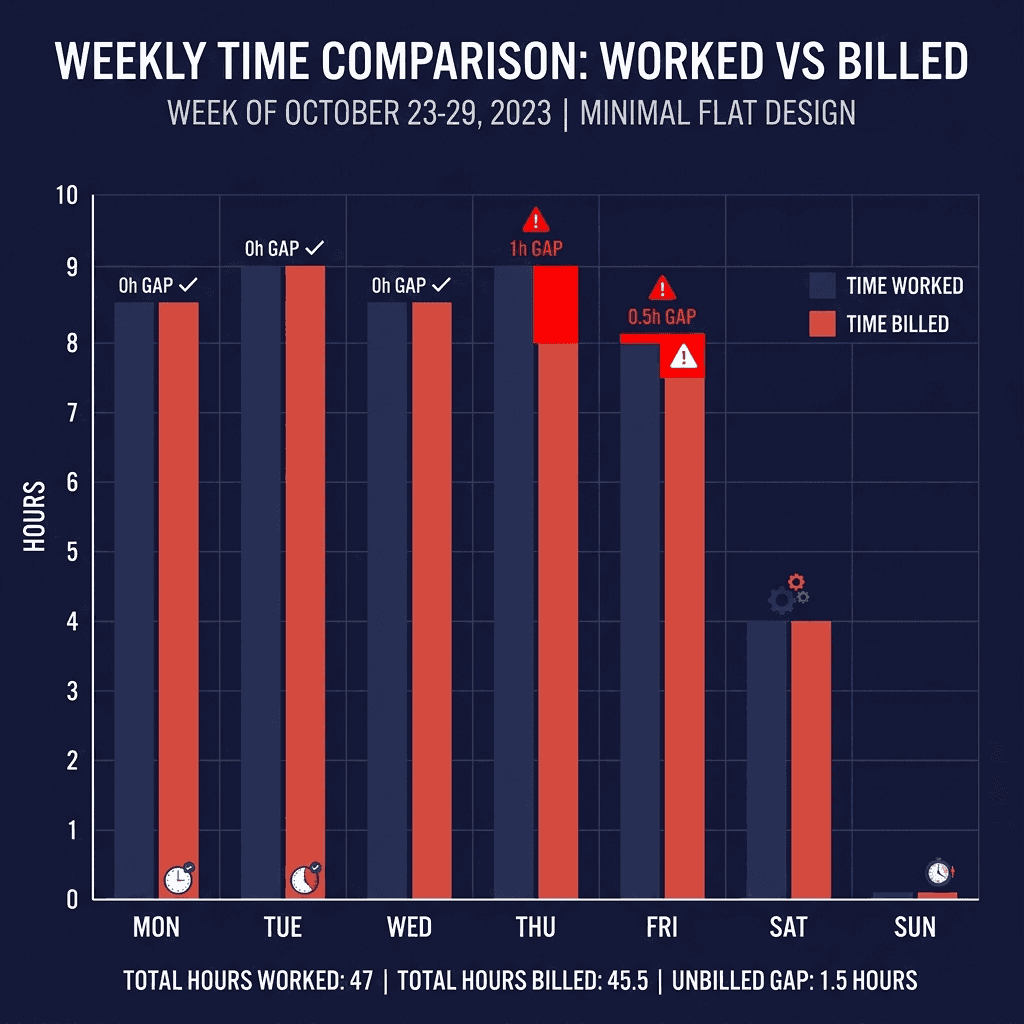
For freelancers who charge hourly, untracked time is direct revenue loss. For project-based freelancers, untracked time means you're consistently underpricing your work. Think about everything that doesn't make it onto a timesheet: - Reading and re-reading client briefs - Back-and-forth emails to clarify requirements - Fixing bugs or revisions that weren't scoped - Internal coordination if you work with a subcontractor Without a task system connected to time tracking, this time simply disappears. You deliver the work, you get paid the agreed amount, and you never realize you worked 6 hours on a project you quoted 3 for. Over a year, that gap compounds into thousands of dollars of invisible labour.
05. The Fix: A System That Works While You Work
The good news: you don't need to overhaul your entire workflow overnight. A basic but consistent task management system can eliminate 80% of these money-losing behaviours within a week. Here's what that system looks like in practice:
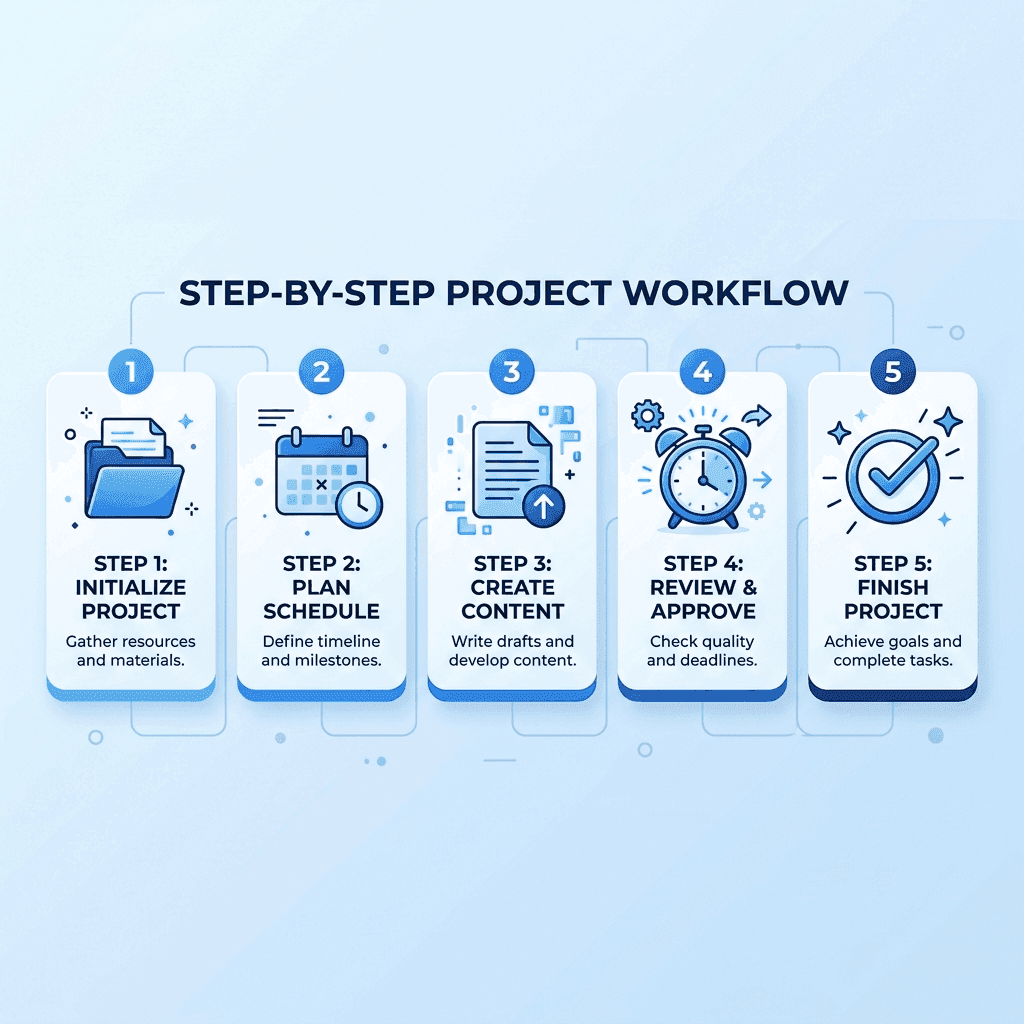
- Step 1 — One place for everything: Every project, every task, every client note lives in one tool. Not Notion for notes, Trello for tasks, and email for briefs. One place.
- Step 2 — Every task has a deadline and an owner: Even if you're solo, assign deadlines to yourself. Visible deadlines create accountability — even when you're your own boss.
- Step 3 — Scope is documented before work begins: Before you start any project, the agreed deliverables are written into your task system. Any new request from the client becomes a new task — not an invisible addition.
- Step 4 — Time is tracked at the task level: Not "I worked 4 hours today" — but "I spent 1.5 hours on the landing page copy for Client A." That granularity changes how you price and how you invoice.
- Step 5 — Weekly review (15 minutes every Friday): Look at what's due next week. Flag anything at risk. Move anything that shifted. This one habit prevents 90% of deadline surprises.
Boards that run themselves
Kanban with subtasks, priorities and a timer on every card
Demo request from Bloom Cosmetics
Website redesign · due Oct 14