How to Measure Real Team Workload and Prevent Burnout Before It Happens
Burnout doesn't arrive suddenly — it builds in silence while managers look at deliverables and miss the people carrying them. Here's how to make workload visible before someone breaks.

Contents
One flat fee for the whole team
Tasks, timers, CRM and invoices in one workspace. From $29 a month, no seat tax.
Start free demo14 days · no credit card
01. The Hidden Cost of Burnout in Small Teams
In a large company, one person burning out is painful but survivable. In a 5-person team, it can be catastrophic. Losing a key person to burnout means projects stall, clients are disrupted, and the remaining team absorbs the extra load — which accelerates burnout in everyone else. The frustrating part: most team burnout is preventable. Not because managers don't care, but because the workload was invisible until it was too late.
"Burnout isn't caused by hard work. It's caused by sustained overload without recovery. The difference is visible in the data — if you know where to look."
— Organizational psychologist specializing in remote teams
02. Why Workload Is Invisible in Most Teams
In teams without a shared task system, workload is estimated, not measured. A manager asks 'how are you doing?' and gets 'fine' — because admitting overload feels like admitting weakness, especially in high-performing teams. The structural problem: most task tools show what tasks exist and whether they're done. They don't show how many hours those tasks are actually taking versus how many hours a person realistically has. That gap — between assigned work and available capacity — is where burnout lives.
03. The Difference Between Busy and Overloaded
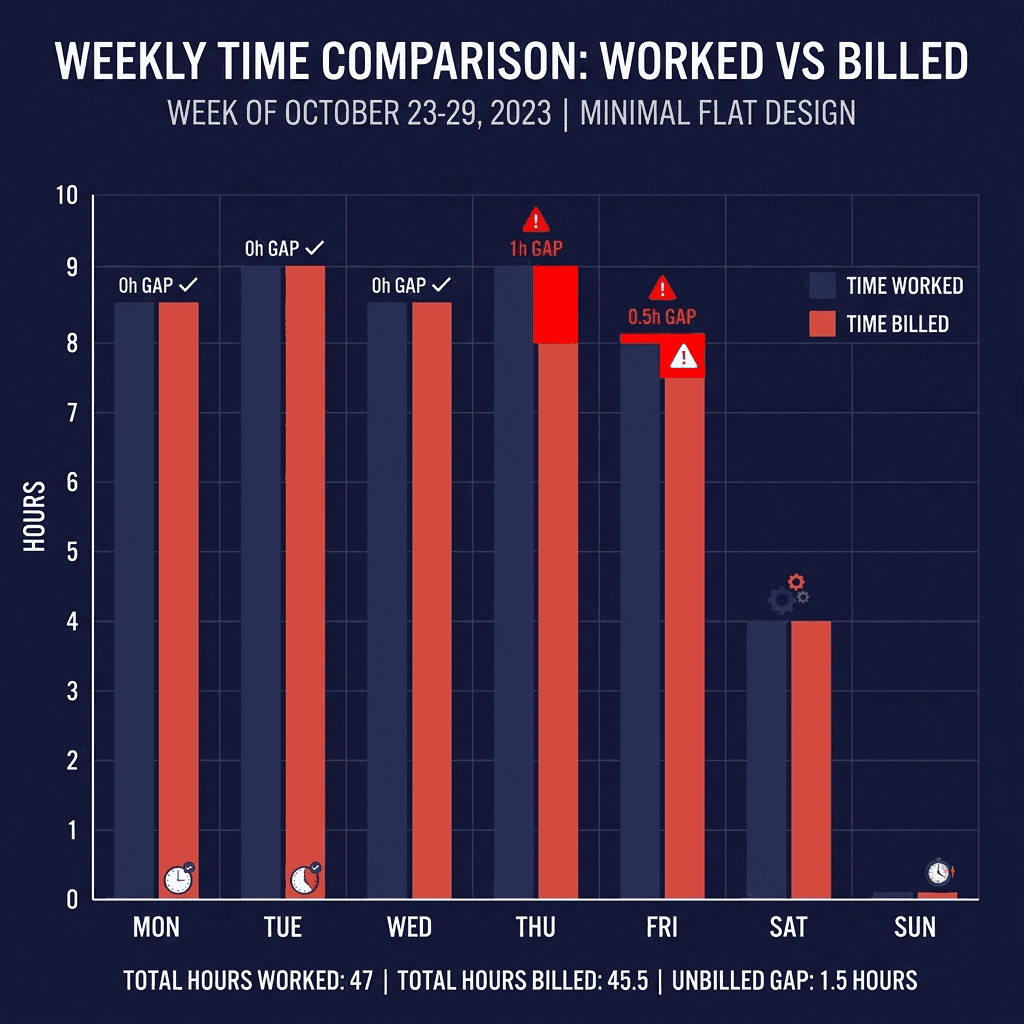
Busy means fully utilized — working at a sustainable pace with meaningful output. Overloaded means working beyond sustainable capacity, accumulating a debt of stress and deferred recovery. A practical rule: if a team member is consistently logging more than 90% of their available hours against tasks — week after week — they're at risk. The 10% buffer isn't slack. It's the space that handles unexpected tasks, creative thinking, and basic human inconsistency. Remove the buffer, and the first unexpected project — a sick day, a client emergency, a scope change — tips the whole system into crisis.
04. How to Build a Workload Visibility System
Workload visibility doesn't require complex HR software. It requires three things done consistently:
- Every task has a time estimate and an assignee
- Time is tracked at the task level — not just hours logged per day
- A weekly review compares assigned hours to capacity for each team member
Melororium
Try it in Melororium
Melororium Timers — track time at the task level and see hours logged per person across all active projects
Flat fee · no seat tax
Own your team workload, sustainably.
Melororium's live timers and task dashboards give managers real workload visibility across every team member and project — so you can redistribute before someone burns out.
Starter: $29/mo (4 users)
Agency: $59/mo (15 users)
05. The Warning Signs to Watch Every Week
Make these five checks part of your weekly review habit:
- Any team member with more than 40 assigned task-hours in a 5-day week
- Tasks that have been 'in progress' for more than 3 days without a status update
- Multiple consecutive weeks where the same person's tasks are rolling to the next week
- Time logged significantly below estimates — could indicate blocked progress or loss of motivation
- Sudden drop in output quality from a previously strong performer
06. How to Redistribute Work Without Creating Resentment
When you identify that someone is overloaded, the intervention needs to be handled carefully. Simply moving their tasks to someone else without a conversation signals that you see people as interchangeable — which damages trust. The redistribution conversation:
- Name what you're seeing specifically — 'I can see you've had 45+ task hours assigned every week for the past month'
- Ask before assuming — 'Is the workload sustainable, or are things getting difficult?'
- Collaborate on the solution — 'What would make the biggest difference? Pushing one deadline? Moving one project?'
- Follow through visibly — make the change in the task system immediately, not 'eventually'
07. Building a Culture Where Overload Is Safe to Report
The best workload management systems are useless if people don't feel safe reporting overload. In teams where 'being busy' is worn as a badge of honour, overload gets hidden until it breaks. The cultural shift starts with leadership. Managers who openly discuss their own workload limits and proactively adjust tasks create the permission structure for everyone else to do the same. Small teams that survive and scale long-term aren't the ones that push hardest. They're the ones that run sustainably.
Boards that run themselves
Kanban with subtasks, priorities and a timer on every card
Demo request from Bloom Cosmetics
Website redesign · due Oct 14