The Freelancer's Guide to Avoiding Burnout Before It Happens
Burnout isn't a character flaw. It's a systems failure. Here's how to build the systems that prevent it — before the warning signs become the crisis.

Contents
One flat fee for the whole team
Tasks, timers, CRM and invoices in one workspace. From $29 a month, no seat tax.
Start free demo14 days · no credit card
01. What Freelance Burnout Actually Looks Like
Freelance burnout is harder to identify than employed burnout because the external pressures are self-generated. There's no manager pushing unrealistic deadlines — just the freelancer's own commitments, financial anxiety, and identity investment in being the person who always delivers. The symptoms accumulate gradually: work that used to be engaging starts feeling like obligation. Creative decisions that came easily now require effort. Client messages trigger low-level dread. The business that was built for freedom feels like a prison.
"I didn't realise I was burned out until I sat down to work on a project I genuinely loved six months earlier and felt nothing. That was the moment I understood how far I'd drifted from sustainable."
— Freelance illustrator, 4 years independent
02. The Three Root Causes of Freelancer Burnout
Cause 1: Chronic overcommitment Taking on more work than can be sustainably delivered — driven by financial anxiety, fear of saying no, or the feast-famine cycle that makes every available project feel urgent to accept. The work accumulates beyond capacity. Quality and wellbeing decline together. Cause 2: Missing boundaries Client availability expectations that bleed into every hour of every day. No protected time for recovery, creative renewal, or life outside work. The always-on freelancer who never properly switches off is running on a deficit that eventually comes due. Cause 3: Identity over-investment When your professional identity and your personal worth are the same thing, every client piece of feedback becomes a personal judgment. Every slow month feels like failure. The psychological load of this conflation is enormous and unsustainable.
03. The Warning Signs Most Freelancers Miss
Burnout gives warnings before it arrives. Most freelancers rationalise the early signals as temporary stress rather than structural problems: Two or three of these signals appearing simultaneously is a system warning. The response at this stage is still preventive — structural changes to capacity, boundaries, and recovery. Waiting until all six are present means the crisis is already in progress.
- Reduced enthusiasm for work you previously enjoyed
- Consistently working longer hours without increased output
- Irritability with clients you previously liked working with
- Difficulty making decisions that used to be straightforward
- Seeking distraction from work rather than engagement with it
- Physical signals: disrupted sleep, persistent fatigue, reduced concentration
04. Capacity Management: Knowing Your Real Limit
The foundational burnout prevention tool is an honest, accurate understanding of your real working capacity — not your theoretical maximum, but the sustainable level at which you produce good work and maintain your wellbeing. For most freelancers, the sustainable capacity is 25-30 hours of billable work per week — not 40. The additional 10-15 hours in a typical work week go to business operations, marketing, learning, administration, and the mental overhead of managing a business. Treating 40 hours as fully billable capacity is a recipe for chronic overcommitment. Melororium Timers — track actual billable hours per week to understand your real capacity and avoid systematic overcommitment URL: melororium.com
Melororium
Capacity Management: Knowing Your Real Limit
Learn more about Melororium
05. The Client Load That Sustains vs Depletes
Not all client work has the same energy cost. Some clients and some project types are energising — the work is engaging, the relationship is positive, the communication is clear. Others are depleting — high maintenance, low trust, constant revision, communication friction. Tracking your energy response to different client relationships and project types reveals patterns that raw revenue numbers hide. A client paying $3,000/month who requires constant emotional management may be your most depleting relationship. A client paying $1,500/month who is clear, responsive, and appreciative may be your most sustainable. The client energy audit: The goal isn't to eliminate all challenging work — it's to ensure that your client portfolio isn't weighted heavily toward the depleting end.
- For each active client: does working on their projects feel energising or draining?
- For each project type: do you approach it with engagement or avoidance?
- Over the past month: which work produced the best output with the least effort?
Flat fee · no seat tax
Ready to get started?
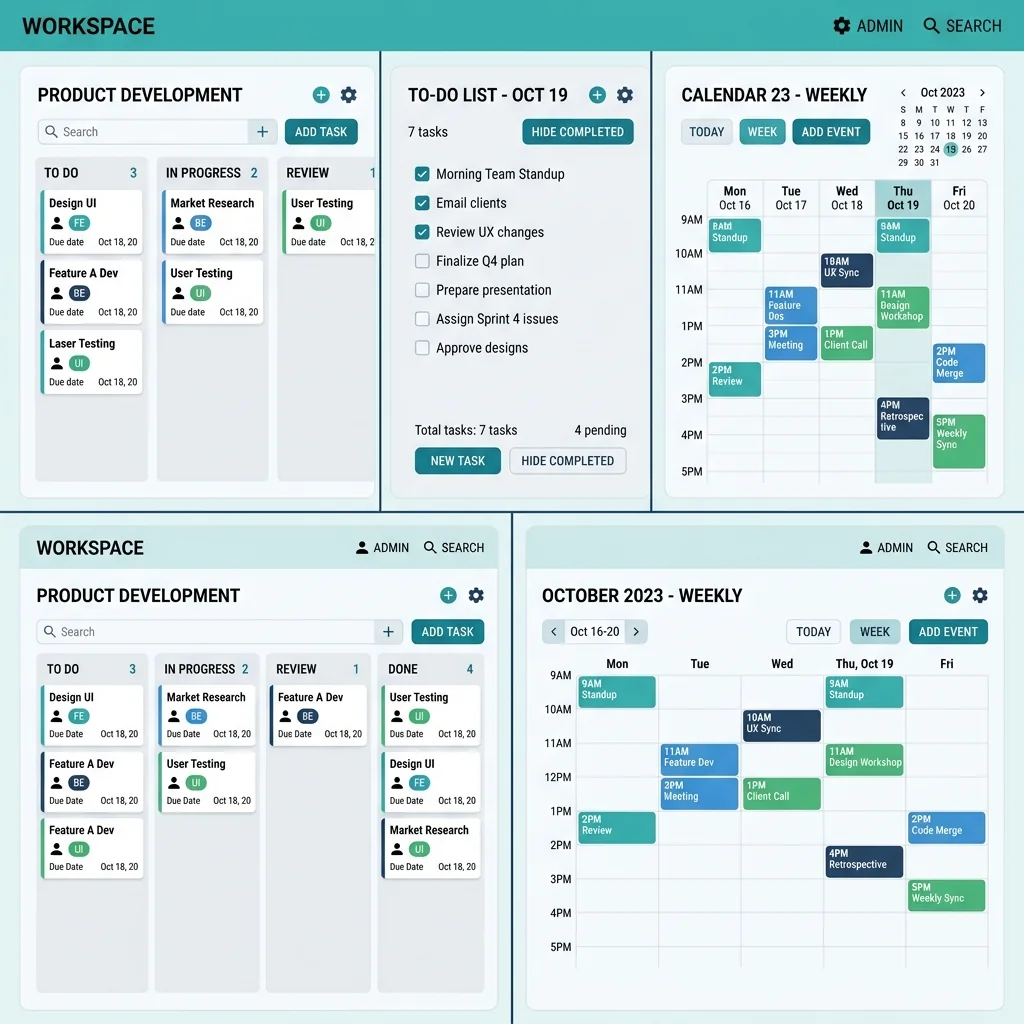
Melororium's task tracker and timers help you see your real workload and actual hours — so you catch overcommitment before it becomes burnout.
Starter: $29/mo (4 users)
Agency: $59/mo (15 users)
06. Building Recovery Into Your Work Week
Recovery is not a reward for completed work. It's a prerequisite for continued quality work. The freelancer who never fully recovers accumulates a cognitive debt that manifests as declining quality, slower decisions, and eventually burnout. The recovery architecture:
- Daily: a defined end to the work day that isn't negotiable — not a goal, a boundary
- Weekly: at least one full day with no work-related activity
- Monthly: a lower-intensity week every four to six weeks
- Quarterly: a planned break of at least three to five days
07. The Financial Safety Net That Reduces Overwork
The most common driver of freelancer overcommitment is financial anxiety. When you have no financial buffer, every slow week feels existential. Every project decline feels like a potential income gap. The anxiety drives acceptance of work you shouldn't take and hours you shouldn't work. Building a three to six month financial buffer — money that covers your basic expenses without any client income — is the most powerful burnout prevention tool a freelancer can have. It transforms the relationship to client work from desperate necessity to considered choice.
08. Setting Limits Before You're Over Them
Capacity limits set in advance are plans. Capacity limits set after overcommitment are emergencies. The freelancer who decides 'I will take on a maximum of three active clients at any time' before hitting four clients is in a very different position to the one who discovers they have six active clients and no bandwidth.
09. Recovering From Burnout If You're Already There
If the warning signs have already become the crisis, the recovery path is slower and less comfortable than prevention — but it's available. The core steps: 1. Honest assessment: what specifically is producing the most depletion? 2. Remove what you can: are there clients, projects, or commitments that can be ended or delegated? 3. Protect minimum recovery: one full day off per week, a defined end to each work day 4. Reduce new commitments until current load is manageable 5. Address the root cause — overcommitment, missing boundaries, or identity over-investment Recovery from burnout typically takes three to six months of structural change. There is no productivity hack that shortens that timeline. The body and mind need actual recovery, not optimised recovery.
Boards that run themselves
Kanban with subtasks, priorities and a timer on every card
Demo request from Bloom Cosmetics
Website redesign · due Oct 14