How to Deliver Projects to Clients on Time — A Freelancer's System
Stop apologising for late deliveries. Here's the repeatable system freelancers use to ship on time, every time — without working weekends.

Contents
One flat fee for the whole team
Tasks, timers, CRM and invoices in one workspace. From $29 a month, no seat tax.
Start free demo14 days · no credit card
01. Why Freelancers Miss Deadlines (It's Not What You Think)
Ask a freelancer why they missed a deadline and they'll usually say: too much work, unexpected complexity, or a client who kept changing their mind. All valid. But these are symptoms, not causes. The root cause is almost always the same: no system for translating a project deadline into daily, trackable actions. The freelancer knows the project is due Friday. They don't know that to hit Friday, the draft needs to be done by Wednesday, and the research phase needs to wrap up by Monday. The deadline is visible. The path to the deadline is invisible.
"A deadline without a task breakdown is just a wish. Break every project into pieces small enough to fit in a day."
— Freelance project strategist
02. The Pre-Project Setup That Prevents 80% of Problems
The most important work on any project happens before the work begins. Every project you take on needs a setup session — 30 to 60 minutes where you define the scope clearly and build out the task structure. The pre-project checklist:
- Write the final deliverable in one sentence — what exactly are you handing over?
- List every task required to produce that deliverable — not phases, actual tasks
- Assign a time estimate to each task
- Work backwards from the deadline — can you fit all tasks in before the due date?
- Identify the one task that, if delayed, breaks everything — protect that task first
03. Breaking Projects Into Timed Milestones
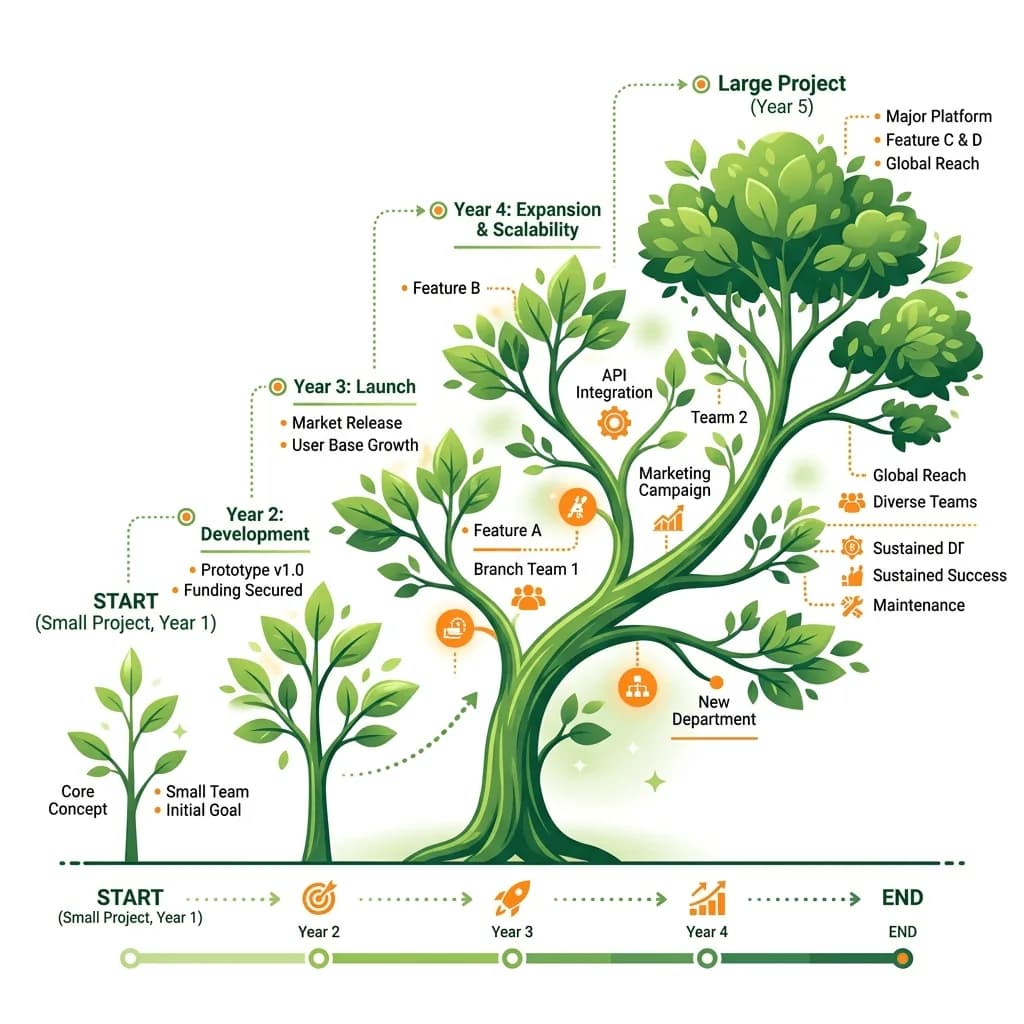
Long deadlines create procrastination. A project due in three weeks feels far away until it isn't. The fix is internal milestones — checkpoints you set for yourself that break the three-week project into a series of smaller, more immediate deadlines. A useful rule: no milestone should be more than 3–4 days away. If you're ever more than 4 days from your next checkpoint, the project is at risk.
Melororium
Try it in Melororium
Melororium — set task-level deadlines and track milestone progress inside your Kanban board
04. The Daily 10-Minute Check-In Habit
Every morning, before starting work, spend 10 minutes doing one thing: look at every active project and confirm that today's tasks are clear, achievable, and prioritised. This is not a planning session. It's a confirmation. You're checking that the plan you made is still valid — and flagging anything that needs adjustment before the day starts, not at 4pm when it's too late.
- What's due today on each project?
- Is anything blocked that I need to unblock first?
- Am I on pace to hit this week's milestones?
Flat fee · no seat tax
Stop paying per seat for your team's tools.
Melororium gives teams a task system with built-in timers, deadline tracking, and project dashboards — all in one flat-fee workspace. No seat tax, no juggling tools.
Starter: $29/mo (4 users)
Agency: $59/mo (15 users)
05. How to Handle Scope Changes Without Blowing the Timeline
Scope changes are inevitable. Clients add requirements, change direction, or ask for 'just one more revision.' The freelancers who stay on schedule aren't the ones who avoid scope changes — they're the ones who handle them systematically. The scope change protocol:
- Log every new request as a separate task immediately — don't hold it in memory
- Assess the time impact before agreeing to the change — not after
- If the change moves the original deadline, notify the client proactively — before they ask
- If the change is out of scope, quote it separately — document the original scope to reference
06. Managing Multiple Clients Without Dropping Anything
The freelancers who successfully manage four or five simultaneous clients share one habit: they never hold project information in their head. Everything lives in the system. The system tells them what to work on — they don't have to remember. When your task system shows you all active projects, sorted by deadline priority, you can switch between clients without the mental tax of rebuilding context from memory.
07. The Weekly Review That Keeps Everything on Track
Once a week — Friday afternoon or Monday morning, pick one and keep it consistent — spend 20 minutes on a structured review of every active project. This single habit catches problems while they're still small. The freelancers who never seem to miss deadlines aren't more disciplined — they have better early warning systems.
- Check deadline status for every active project
- Review time logged vs estimated for current week
- Flag any project that needs client communication
- Set clear priorities for next week's work
Boards that run themselves
Kanban with subtasks, priorities and a timer on every card
Demo request from Bloom Cosmetics
Website redesign · due Oct 14